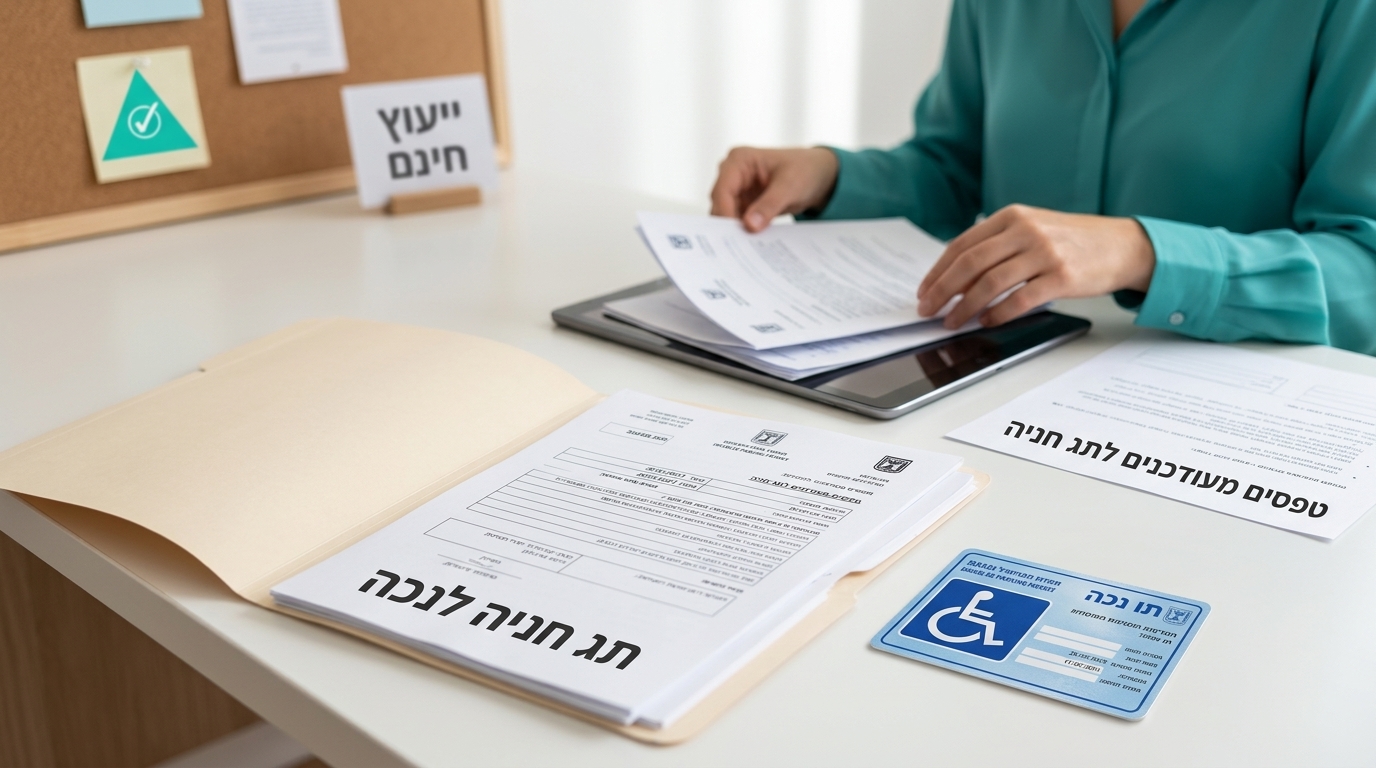
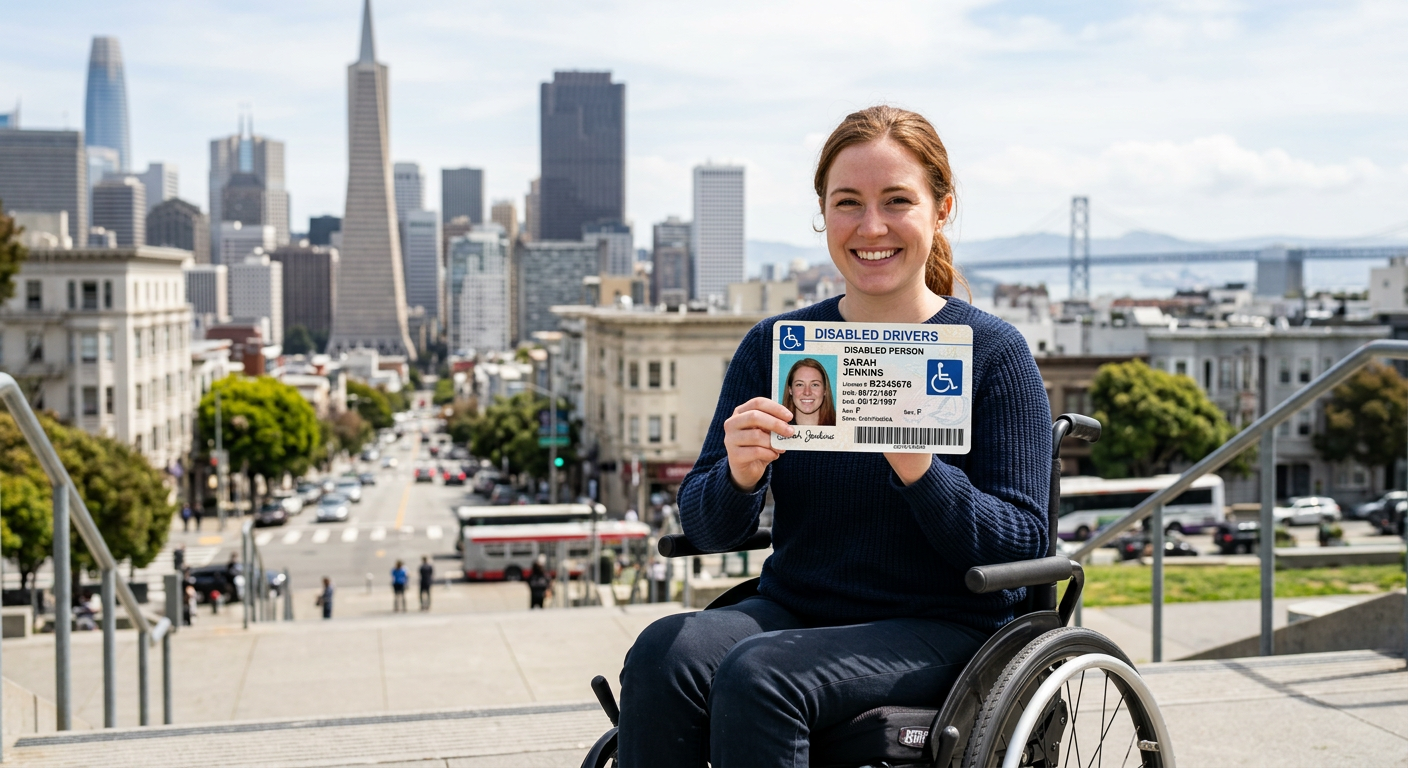
The world of AI image generation is rapidly evolving, with models like DALL-E and Midjourney pushing the boundaries of what's possible.
These models use complex algorithms to create images from text prompts, often with surprising and delightful results.
But how do they work, and what are the possibilities and limitations of this technology?
The process typically begins with a text prompt, which is fed into the model along with a set of parameters and constraints.
The model then uses this information to generate an image that matches the prompt, often using a combination of machine learning and computer vision techniques.
One of the most exciting applications of AI image generation is in the field of art and design.
Artists and designers can use these models to quickly generate ideas and explore different concepts, saving time and effort in the creative process.
However, there are also potential drawbacks to consider.
For example, AI image generation models can be prone to bias and inaccuracies, particularly if the training data is limited or skewed.
There are also concerns about the potential for AI-generated images to be used for malicious purposes, such as spreading misinformation or creating fake identities.
Despite these challenges, the possibilities of AI image generation are vast and exciting.
As the technology continues to evolve, we can expect to see new and innovative applications across a wide range of industries and fields.
Some potential future developments include:
– Improved accuracy and realism in generated images
– Increased control over the generation process
– New applications in fields like education, healthcare, and entertainment
As we look to the future, it's clear that AI image generation is a technology that will continue to shape and transform the way we create and interact with visual content.